

In 2024, 77 million Americans belonged to a gym. That’s one in four people. Memberships are up 20% since 2019. Demand isn’t the issue, keeping people is. The average club only keeps about 66% of its members year over year.
Much like fashion, fitness fads come and go. In 2022, SoulCycle closed 20 of its 83 studios, and we all watched Peloton stock fall 90% from its late-2020s pandemic peak. The Zumba story is different. Popularity spread through gyms and instructors, shielding the brand from the boom and bust cycle experienced by brands like SoulCycle, CrossFit, Orangetheory, and Peloton.
Zumba started in 2001, and by 2002 the company was selling DVDs via late night infomercials. After experiencing moderate success from DVD sales, they decided to launch Zumba Academy for instructors and a $40-monthly instructor network. Today, roughly 15 million people take a class each week throughout 200,000 locations across 189 countries.
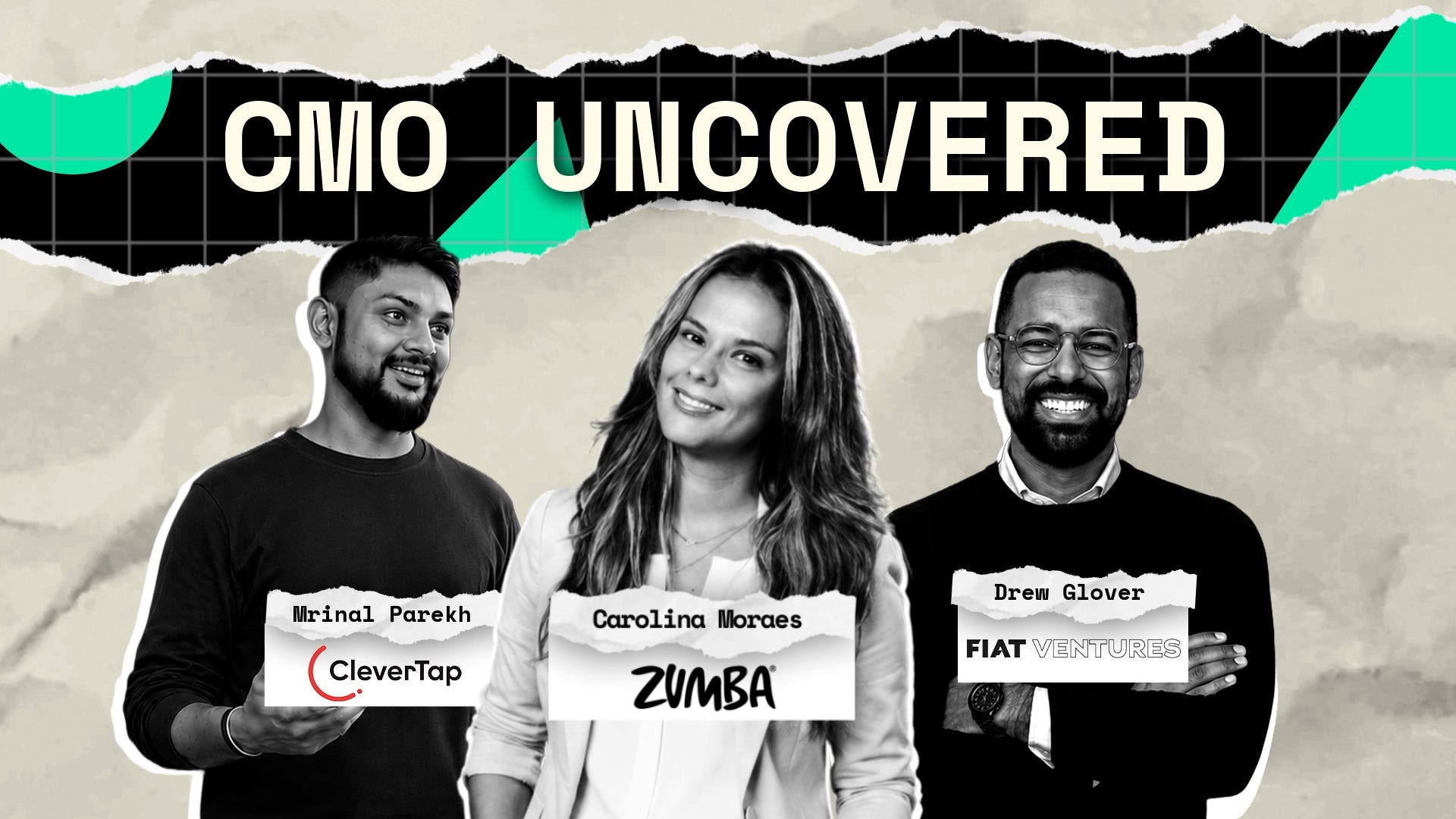
We sat down with Zumba CMO, Carolina Moraes to discuss what it’s like to sit at the growth helm of a 25 year old brand built by the people. She has been with the company for 14 years, and her challenge has never been brand recognition, it’s getting people to fully understand the product.
Influencers Before They Had a Name
Zumba never invested in acquisition marketing. Instructors did all the work, posting classes and bringing in students. They felt the brand was as much theirs as it was the company’s. This built massive awareness and following but with a catch. Many students associated Zumba with the instructors and didn’t realize it was a brand. With no physical locations of its own, the company can’t fully control the class experience.
However, gym partnerships have filled this gap. Gyms hire only certified instructors, checking numbers in a shared database. When a talented teacher shows up uncertified, the gym often sends them to get trained, which has become a pipeline for new instructors.
Zumba can’t script every influencer or celebrity that talks about it, so they intentionally keep the positioning wide: Inclusivity, every size and shape, no right or wrong as long as you’re moving. When someone asks about being off messaging, Carolina asks, “are they moving? If so, the brand is doing its job.”
Brand Briefing With Community First
They have a dedicated team listening to the community. This is a different operation from customer care, because people who advocate for a brand need different attention than buyers.
Before any campaign goes to the creative team, the brief lays out how Zumba wants the community to feel, what it hopes they’ll say, and which points should be avoided.
Music Earworms You Have to Attend Class to Hear
Zumba began with a forgotten cassette. When co-founder Beto Perez misplaced his usual music for an aerobics class in Colombia, he had to pop in his salsa and merengue tapes instead, and the result is Zumba.
Music can make or break a workout, and it’s a big reason Zumba stays a top class in most gyms. New music and choreography launches every other month. Roughly 70% of the songs are made for Zumba with outside artists and labels. The other 30% are licensed radio hits, mixing the familiar with the new. Owning the sound makes Zumba hard to copy.
In one month, a class might move from Rio funk to Bollywood to belly dance. Carolina recently returned from Seoul where she shot a K-pop volume. Asked why Zumba is still a top class, Carolina says, “We’ve traveled with the musical trends.”
Twenty five years in, Zumba is still growing by staying close to the people. In the full interview, Carolina explains how Zumba reinvented itself when COVID shut down every gym, and how the company sets new instructors up for success in their first three months. Listen to the full conversation to hear how she balances brand control with community ownership.
INTERVIEW UNCOVERS:
Why 94% awareness turned the challenge into consideration.
How letting go of brand control drives organic growth.
How bringing loud community leaders into product decisions turns critics into advocates.
Why behavior data beats sentiment when deciding what to build next.
Where AI helps a brand of people, and where it doesn’t.