



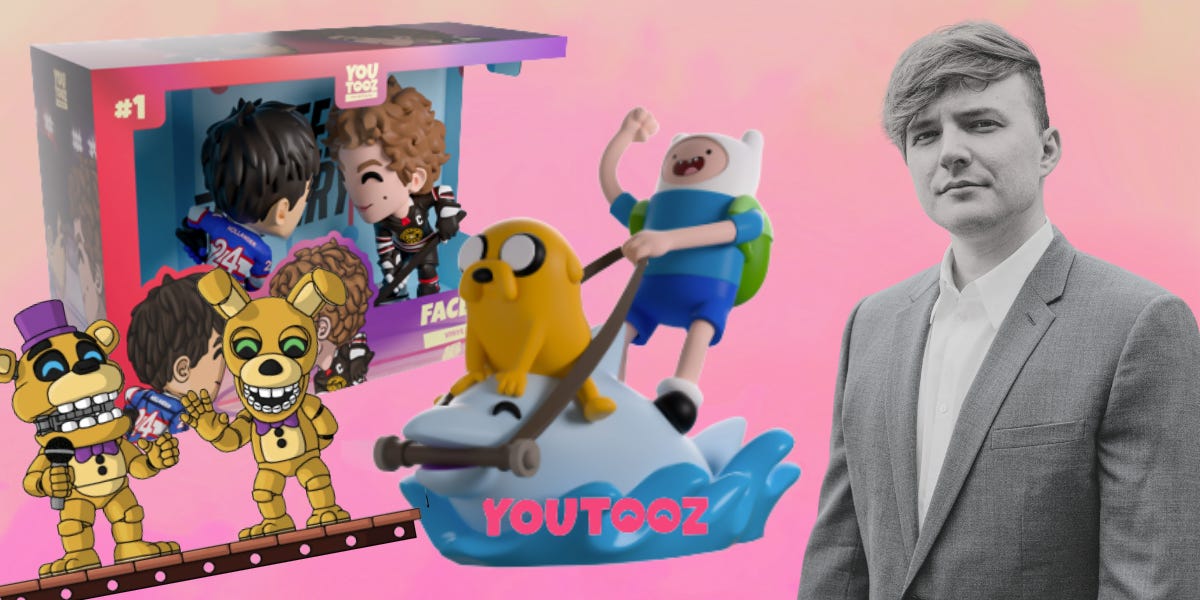
A franchise can make a character famous but fans decide which moments become theirs. Youtooz pays close attention to the expressions, gestures and moments that audiences cling to and turn into shorthand. It gives those moments something physical to collect that sparks an immediate connection between people who know exactly why this detail matters.
The company releases nearly 200 products every month, and co-founder Mark Prokoudine is candid about how often the company misreads how big or small a fandom might be. “Our predictions on what product might do well are all over the place - we’re wrong all the time - so experimentation and trying new things is a big part of our company culture”
Online attention is abundant and highly visible, but it doesn’t necessarily reveal how much people actually care. A creator can attract millions of followers without building a community that wants to own something connected to them. Mark found the sweet spot, an obscure reference that generates far more demand because a smaller group recognizes exactly what it means.
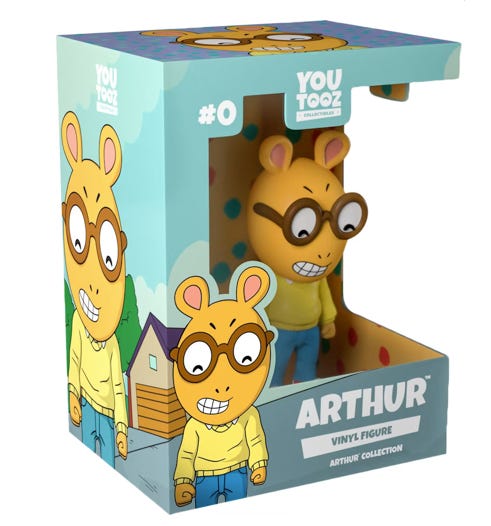
Youtooz has worked inside that gap since 2019, when it began turning the internet’s shared references into physical collectibles. Its first release sold out in eight minutes, and the company produced roughly 70 creator figures that year. Its first licensed property was the clenched fist from Arthur, a split-second reaction that the internet had transformed into a universal expression of barely contained frustration. People saw the image, understood the feeling and recognized everyone else who was in on the joke. Youtooz had found the small, specific moments that make a sprawling internet culture feel like a community.
Audience size isn’t the entire picture
When Youtooz evaluates a creator, Mark looks past the most visible measure of influence. “How deep does the fandom go?” he asks.
Follower count can show how many people a creator reaches. It says less about whether those people share references, recognize recurring characters or want an object that signals their connection to the community. Youtooz looks for the behavior beneath the number. Paying close attention to the jokes repeated and the details noticed about characters, is what determines fandom success.
That approach leaves room for products that would look small through a conventional reach calculation. Ectoplasm Randy, a specific South Park reference, became one of Youtooz’s strongest social releases. Some of the best social media days in the company’s history came from tweets about the figure.
The response did not come from choosing the most prominent character or the broadest possible idea. It came from recognizing a detail that carried unusual weight for people who understood it. Those fans did not need an explanation of why the figure existed. Recognition was the appeal.
That difference becomes especially useful in creator marketing, where brands often treat audience size as a proxy for commercial value. Youtooz needs more than distribution from a partnership. The creator or property must have enough cultural material to support a product people will display, share and place alongside other objects that represent who they are.
Content that behaves like fandom
Youtooz applies the same thinking to its own social strategy. Some of the company’s most successful videos resemble fan-made arts-and-crafts projects more than conventional product advertisements.
One of its most viewed TikToks was a live creation of a handmade world for the adorable SpongeBob cockroach. I’ve personally watched the video at least 20 times, so I get the virality. The videos use the product, but the figure doesn’t carry the entire piece of content. The team returns to the source material, finds a detail fans already enjoy and gives them another way to participate in it. It’s genius.
That approach has helped Youtooz generate roughly 100 million organic impressions each month across TikTok and Twitter. The scale comes from producing content people will engage with even when they are not ready to make a purchase. Fans can recognize the joke, debate the interpretation or share the video with someone who knows the same reference.
The products also circulate without Youtooz directing every appearance. Jack Harlow unexpectedly placed a Youtooz figure in a music video, introducing it in a setting the company did not create or buy. The placement worked because the figure could function as part of the culture around the artist rather than as an interruption to it.
For Youtooz, community and content are connected. The team watches what fans respond to, then creates more material from the worlds they already care about. Social media supplies reach, but the quality of the response helps reveal whether that reach contains a market.
The website turns attention into evidence
Social engagement reveals recognition, and the website proves whether that recognition becomes a purchase.
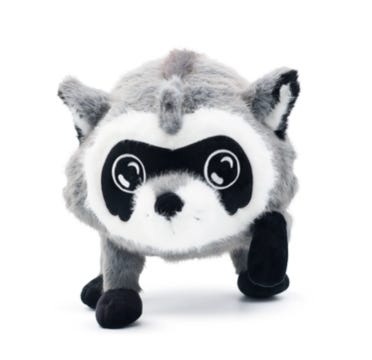
Every product is launched direct-to-consumer as a preorder. When Jimothy the raccoon became an internet meme, Youtooz moved from an initial concept to a product ready for preorder in roughly two weeks. The listing went live while the reference was still circulating, allowing customers to respond before the team had to guess how long the attention would last.
That pace depends on an in-house art operation in North America and its own office in China, bringing design and production into a structure built for high frequency releases. Marketing can identify an opportunity, but the rest of the organization must be able to act while the cultural reference is still current.
The preorder connects those functions. It turns an interpretation of internet culture into an offer customers can accept or reject. At nearly 200 launches a month, Youtooz receives a steady stream of confirmation about the difference between what people enjoy online and what they will pay to own.
Mark still considers the company’s website its largest source of growth, even as Youtooz expands through Spencer’s, Hot Topic and Target. Retail gives the brand greater distribution, but it remains additive to the direct channel. Youtooz can introduce a highly specific product to its existing community online, learn from the response and then extend its reach through stores.
TikTok Shop shortens that path further. Mark sees the platform, along with affiliates, live shopping and user-generated content, as an important opportunity for direct-to-consumer brands. A fan can encounter a reference, see the product and purchase it without leaving the platform where the interest began. The content and the transaction no longer have to live in separate parts of the customer journey.
Unpredicted success of a viral moment
Youtooz’s relationship with Wall Street Bets shows how difficult it can be to know where a cultural reference will lead. During the GameStop trading frenzy, the company collaborated with the community on several products, including a figure based on the “stonks” meme.
The opportunity began with an active group that had developed its own characters, language and visual shorthand. Youtooz could see that people understood the joke and identified with the community around it. That was enough to justify making the collectible.
The attention surrounding GameStop eventually receded, but “stonks” continued to travel. Youtooz later acquired the intellectual property and began receiving royalty payments when documentary studios used the image to explain the era. A meme that began as material for a product had become an asset that other companies licensed to tell the story of the event. Youtooz could not have predicted that second life.
Youtooz has built its business by staying close enough to fans to see which references they want brought to life, giving those references momentum through content, and testing demand through preorders while the connection is still strong. For most CMOs, recognizing a cultural moment is just the beginning. The harder work is building an organization that can move as quickly as its audience decides something matters.
This season of CMO Uncovered is supported by CleverTap. CleverTap is the world’s leading engagement platform, helping brands build meaningful relationships through data-driven personalization. Powering over 2,000 customers globally, CleverTap’s AI-powered engine processes billions of data points daily to help marketers predict behavior and automate engagement at scale. From onboarding to advocacy, CleverTap provides the infrastructure needed to optimize every stage of the customer journey. For the CMOs building the next generation of iconic brands, CleverTap offers the precision and scale required to win in a crowded market. To learn more, visit clevertap.com.
More from Uncovered Media


