



During his USB tour, Fred again.. asked fans to put away their phones. His team would document the show and send out a Dropbox folder afterward with professional photos and videos that people could save or post. The audience did not have to choose between preserving the night and being present for it.
Dropbox made the arrangement possible without demanding attention during the concert. The product appeared later, after it had already removed a small but familiar anxiety from the room.
When Fred’s team approached Dropbox after the tour, the company helped expand the idea into a broader campaign built around the content and the way his team worked. Liz Armistead, vice president of brand at Dropbox, had not created the original use case. Her team’s role was to understand why it worked, give it more reach and avoid sanding away the parts that made it feel like Fred’s idea.
That approach has become central to how Liz markets a product that often disappears inside other people’s work. Dropbox is rarely the finished film, song, campaign or design. It is where the unfinished versions move between the people making them.
Find the behavior before writing the brief
Liz has spent much of her career marketing technology that cannot be placed in someone’s hand or photographed at the center of a glossy campaign. Dropbox presents an even more specific challenge because much of its value appears before the public sees anything. Files move between collaborators. Feedback arrives. Contracts get signed. Rough versions become better versions.
The brand becomes easier to understand when Dropbox shows what customers are already doing instead of constructing an elaborate story around the software itself. Many of the company’s creator partnerships begin as inbound requests from people who use the product and want to explore what else they might do together. Liz’s team then chooses which ideas fit, shapes the program and makes sure the work reflects the product accurately.
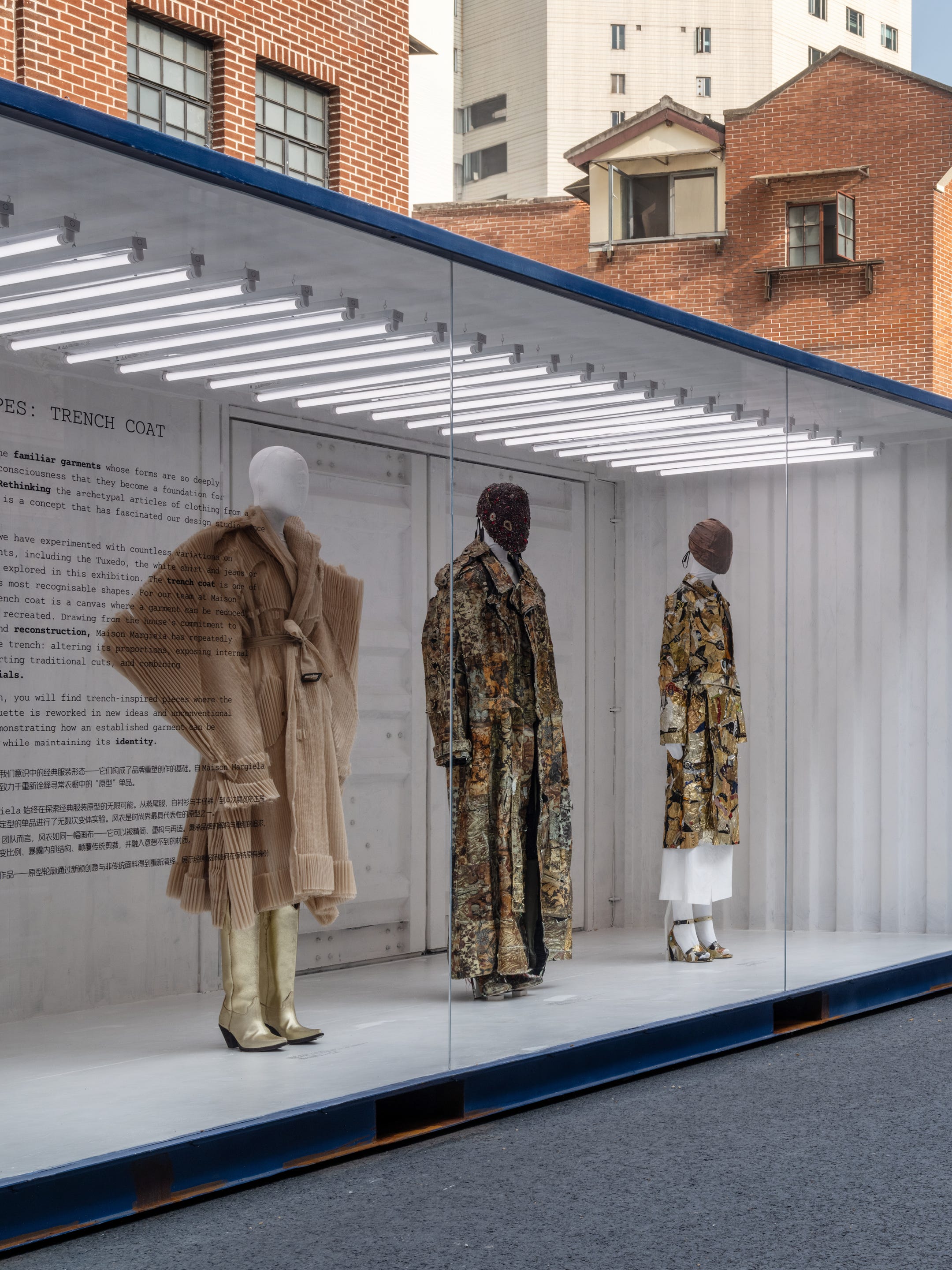
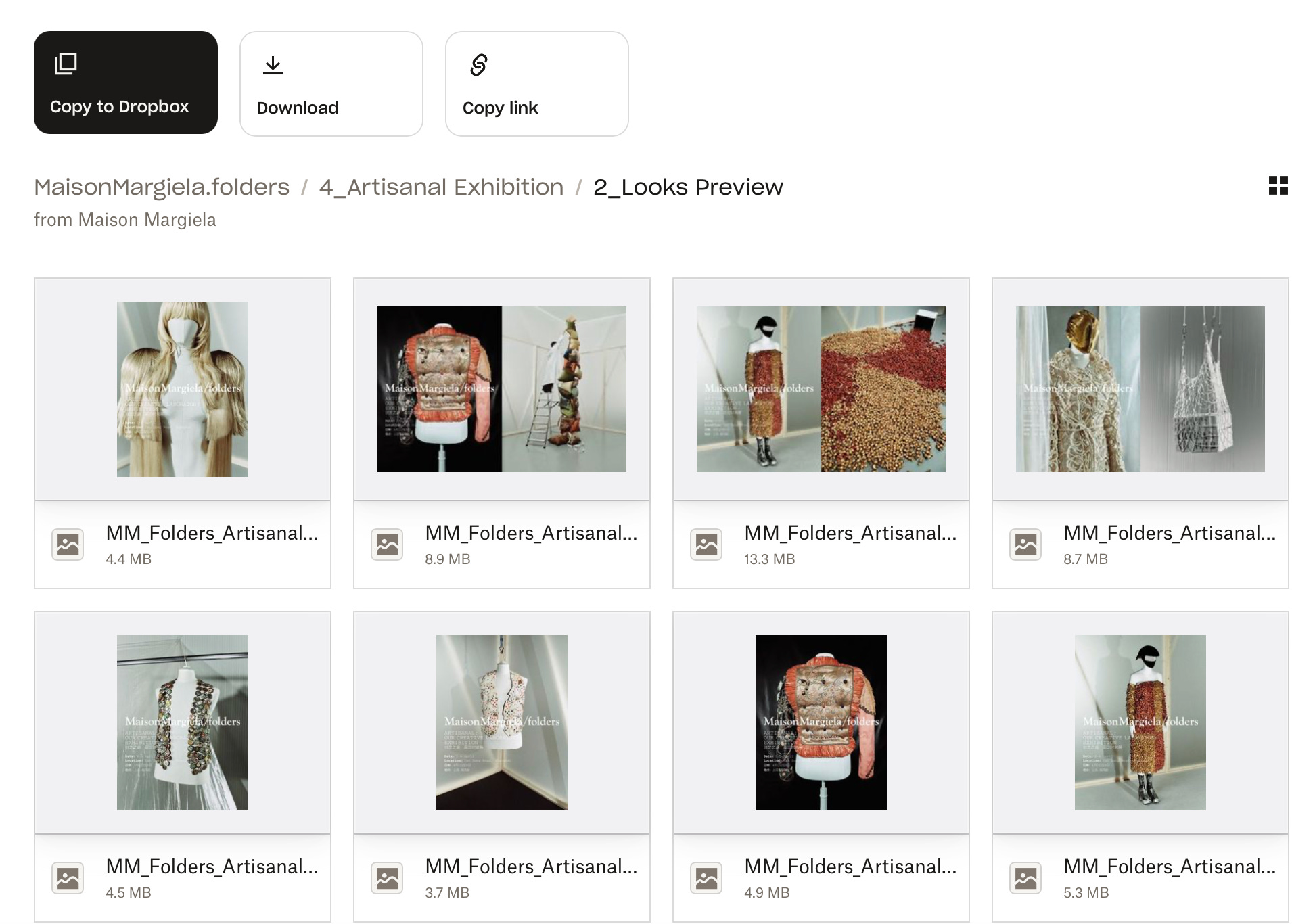
Maison Margiela approached Dropbox with a proposal to share material from its historical folders with the public. The Dropbox team customized the folders, added visual details inspired by the fashion house and supported the release across its channels. Designers and fans could look through the work, study it and use it as material for something new.
The campaign worked because the folder was not treated as a digital display case. It became part of a continued creative exchange. Dropbox supplied the structure, but Maison Margiela determined what the community was being invited to see.
Liz has followed the same pattern on a much longer timeline at Sundance. Dropbox first attended the festival in 2015 with a hypothesis about how films were being made. Production teams handle enormous files, work across locations and rely on people who may never belong to the same company or use the same systems. The workflow seemed suited to Dropbox, but the team went first to interview filmmakers and understand what was actually happening.
They learned that 68% of Sundance films had been made using Dropbox. They also learned that many filmmakers thought of it almost entirely as storage. A crew might use Dropbox to move footage while still passing around paper release forms in the field, unaware that a signing tool lived inside the same platform.
Dropbox gradually expanded its Sundance presence around those gaps. It began by listening and educating, then added panels, premieres and programming that allowed customers to explain how they had made their work. A decade later, the company had a branded house on Main Street, but the program still grew from the same question: How are people already working, and where is the process harder than it needs to be?
Liz learned that habit at IDEO, which she considers more useful than graduate school. The work taught her to study customers in context rather than rely only on what they report in a survey. A broad sample can tell a team which idea is easiest to understand, but the easiest idea may also be the least interesting. Liz will sometimes learn more from a dozen detailed conversations, an extreme user or a parallel industry than from a large group selecting among polished options.
The most important product moment is also the most vulnerable
The Sundance research showed Liz where Dropbox sat in a creative workflow. A later campaign helped her name the emotional moment inside it.
Most creative work begins in private. A song, film, presentation or design can remain protected while its creator revises it alone. Sharing changes the conditions. Another person can challenge it, misunderstand it or improve it. A public release raises the stakes further.
Liz and her team built a campaign around that movement from private to public because millions of ordinary Dropbox shares contain some version of that risk. The action looks functional on a screen, but the person clicking the button may be handing over something they have spent months making.
That vulnerability shapes how Dropbox works with creators. A conventional partnership might begin with a detailed brand brief and ask the creator to reproduce the company’s message in a familiar voice. Liz takes a completely different approach because the creator understands the audience the brand is trying to reach.
Fred’s community knows how he speaks and what he finds worth showing. Replacing that voice with Dropbox language would make the work less credible. Liz’s team reviews partnerships for product inaccuracies and would intervene over offensive material, but it generally does not rewrite the creator’s point of view.
Her clearest instruction is also the best test of the finished work: “If this feels like a commercial, we’ve failed.”
The content still has a job to do. It should teach people something, entertain them or give them material they can use. Dropbox may be visible, but the audience should not have to endure an advertisement to reach the useful part.
The company applies the same thinking beyond household names. Dropbox Studio funds projects from customers at different stages, including an Oakland-based rapper named Fijiana, whose music video was made with friends and supported through the program. Liz likes that the platform can document an established artist’s archive while also helping someone make the work that may eventually establish them.
The difference matters because early creative work carries a different kind of exposure. A famous artist can share an old draft after an audience has confirmed the value of the finished product. An emerging artist shares without that protection.
More output raises the value of judgment
The willingness to give creators room depends on judgment. Liz sees the same need becoming more visible as AI expands the amount of work a marketing team can produce.
Her team uses AI to remove friction from parts of the campaign process that once consumed time and budget. Research that might have run once can now happen four or five times while a campaign is being developed. Synthetic research tools send concepts to real people, analyze the responses and return findings within roughly 48 hours.
The brand team also built a live site that collects performance data, brand tracking, lift studies and other metrics. Leaders can review the information without waiting for employees to spend 20 or 30 hours each month building another reporting deck. Designers can avoid some of the repetitive work of generating the same asset in dozens of sizes.
Liz values those tools because they give the team more chances to improve the work. They do not settle the harder questions. A system may generate 50 options, but someone still has to decide which one fits the audience, which joke sounds forced and which concept resembles everything already in the market.
“The models are fed with history, not future,” Liz says.
That limitation becomes more important as production gets easier. AI can assemble familiar patterns quickly because it has access to so many of them. Creative teams still need a point of view that tells them when familiarity is useful and when it has become repetition.
Liz does not believe taste develops through prompting alone. People learn by watching experienced practitioners choose, discard and revise. Art schools use critique for that reason. Young designers need to see what their more experienced colleagues notice and understand why a visually attractive solution may still fail to function.
The same principle applies to customer research. Data can narrow the possibilities, but it cannot replace the judgment required to interpret what people are saying, what they are avoiding and what they may not have words for yet. Liz wants technology to create more opportunities for that work, not remove the person responsible for doing it.
The infrastructure beneath the finished work
Dropbox will reach its 20th anniversary with a product many customers first encountered as a place to store files. Liz is trying to show the larger role it has played all along.
A filmmaker sends a cut for feedback. A design house opens an archive. A musician hands fans the content they did not need to record. An emerging artist shares a project that has not yet been endorsed by the market. In each case, Dropbox sits between the private act of making something and the public life that follows.
At Fred’s show, the folder arrived after the concert. By then, the audience had already received the more valuable benefit, the gift of presence. They had spent the night looking at the stage instead of their screens, trusting that the files would be there when they needed them.
This season of CMO Uncovered is supported by CleverTap. CleverTap is the world’s leading engagement platform, helping brands build meaningful relationships through data-driven personalization. Powering over 2,000 customers globally, CleverTap’s AI-powered engine processes billions of data points daily to help marketers predict behavior and automate engagement at scale. From onboarding to advocacy, CleverTap provides the infrastructure needed to optimize every stage of the customer journey. For the CMOs building the next generation of iconic brands, CleverTap offers the precision and scale required to win in a crowded market. To learn more, visit clevertap.com.
More from Uncovered Media


